- Virginia’s Four Seasons Create Changing Landscape Conditions
- Hot Virginia Summers Can Stress Trees and Plants
- Humidity Can Increase Disease and Pest Problems
- Heavy Rainfall Can Affect Tree Roots and Soil
- Virginia’s Soil Conditions Affect Tree Growth
- Winter Weather Can Damage Trees
- Storms and High Winds Create Tree Hazards
- Choosing the Right Trees for Virginia Landscapes
- How Mulch Helps Protect Virginia Landscapes
- Seasonal Tree Care Tips for Virginia Homeowners
- Professional Tree Care Helps Protect Your Landscape
Virginia is known for its beautiful landscapes, from wooded properties and mature trees to colorful gardens and carefully designed yards. But maintaining a healthy landscape in Virginia requires understanding how the local climate affects plants, trees, and soil throughout the year.
Virginia’s changing seasons bring a mix of challenges. Hot summers, cold winters, heavy rainfall, humidity, storms, and occasional drought conditions can all impact tree health and landscaping. Homeowners who understand these conditions can make better decisions about planting, watering, pruning, and protecting their outdoor spaces.
Whether you have large shade trees, ornamental plants, shrubs, or a newly installed landscape, climate plays an important role in how well everything grows.
Virginia’s Four Seasons Create Changing Landscape Conditions
One of the biggest factors affecting trees and landscaping in Virginia is the variety of seasonal weather conditions.
Unlike areas with a consistent climate year-round, Virginia landscapes must adapt to:
- Cold winters with freezing temperatures
- Warm, humid summers
- Heavy spring rainfall
- Fall temperature changes
- Occasional extreme weather events
Each season creates different needs for trees and plants. A tree that handles summer heat well may still experience stress from winter conditions or sudden temperature changes.
Understanding seasonal changes helps homeowners provide the right care at the right time.
Hot Virginia Summers Can Stress Trees and Plants
Virginia summers often bring high temperatures, humidity, and periods of limited rainfall. These conditions can put stress on trees, especially younger trees that are still developing their root systems.
During hot weather, trees lose moisture through their leaves. If the soil does not provide enough water, trees may become weakened and more vulnerable to pests, disease, and branch damage.
Signs of summer stress can include:
- Wilting leaves
- Early leaf drop
- Browning along leaf edges
- Slow growth
- Dead branches
Proper watering and mulching are two of the best ways to help trees handle summer conditions.
Humidity Can Increase Disease and Pest Problems
Virginia’s humid climate creates ideal conditions for certain tree diseases and insects. While healthy trees can often defend themselves, stressed trees are more likely to experience problems.
Common issues homeowners may notice include:
- Fungal diseases on leaves
- Root problems caused by excessive moisture
- Insect infestations
- Declining branches
Good tree care practices can reduce these risks. Proper pruning improves airflow through the canopy, while removing damaged or infected branches can help prevent problems from spreading.
Regular inspections are especially helpful because many tree issues are easier to manage when caught early.
Heavy Rainfall Can Affect Tree Roots and Soil
Virginia receives significant rainfall throughout the year, but too much moisture can create problems for trees and landscaping.
Excess water can:
- Reduce oxygen available to tree roots
- Lead to root decay
- Wash away soil nutrients
- Create drainage problems
Trees need water, but they also need healthy soil conditions. Poor drainage can be just as damaging as drought.
Homeowners should pay attention to areas where water collects after storms. Standing water near trees or planting beds may indicate drainage issues that need to be addressed.
Virginia’s Soil Conditions Affect Tree Growth
Soil plays a major role in tree and plant health. In many parts of Virginia, soil conditions can vary widely depending on location.
Some properties may have:
- Heavy clay soils that drain slowly
- Sandy soils that dry out quickly
- Compacted soil from construction or foot traffic
Compacted soil can limit root growth by reducing the space available for air and water movement.
Adding organic material, applying mulch correctly, and choosing plants suited to local soil conditions can improve landscape performance.
Winter Weather Can Damage Trees
Although Virginia winters are usually moderate compared to colder regions, freezing temperatures can still affect trees and plants.
Winter damage may occur from:
- Ice accumulation
- Strong winds
- Sudden temperature changes
- Freezing and thawing cycles
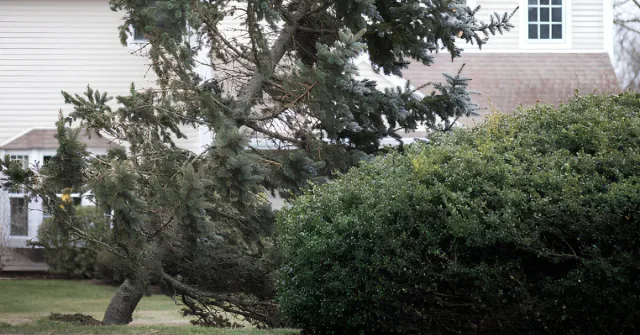
Ice storms are especially dangerous because ice adds significant weight to branches. Weak or damaged limbs may break and fall, creating safety hazards around homes and walkways.
Preparing trees before winter by removing dead or weak branches can reduce the chance of storm-related damage.
Storms and High Winds Create Tree Hazards
Virginia experiences a variety of storms throughout the year, including thunderstorms, strong winds, and occasional severe weather events.
Storm damage is more likely when trees have:
- Dead branches
- Poor structure
- Weak branch connections
- Root problems
- Previous damage
Routine pruning and tree inspections can help identify potential hazards before severe weather arrives.
After a storm, homeowners should look for:
- Broken limbs
- Split branches
- Hanging branches
- Leaning trees
- Root lifting near the base of the tree
Some damage may appear minor but can create future risks if not addressed.
Choosing the Right Trees for Virginia Landscapes
Not every tree or plant is suited for Virginia’s climate. Choosing species that naturally handle local conditions can make landscaping easier and more successful.
Good landscape planning considers:
- Sunlight exposure
- Soil type
- Available space
- Mature tree size
- Water requirements
- Seasonal changes
Native trees and plants are often a good choice because they are naturally adapted to Virginia’s environment.
Examples of trees commonly suited for Virginia landscapes include:
- Oaks
- Maples
- Redbuds
- Dogwoods
- Bald cypress
- Eastern red cedar
Selecting the right plant for the right location reduces maintenance and improves long-term health.
How Mulch Helps Protect Virginia Landscapes
Mulch is an important tool for protecting trees and landscaping from Virginia’s changing weather.
A proper layer of mulch helps:
- Maintain soil moisture during hot summers
- Protect roots from temperature changes
- Reduce weed competition
- Improve soil conditions over time
However, mulch should be applied carefully. Piling mulch against tree trunks can trap moisture and contribute to decay.
A properly maintained mulch ring around trees provides protection without creating new problems.
Seasonal Tree Care Tips for Virginia Homeowners
Keeping trees healthy requires year-round attention.
Spring Tree Care
Spring is a good time to:
- Inspect trees after winter
- Remove storm damage
- Check for pests and disease
- Add mulch if needed
Summer Tree Care
During summer:
- Monitor soil moisture
- Water during dry periods
- Watch for heat stress
- Check for insect activity
Fall Tree Care
Fall is a good time to:
- Remove dead branches
- Prepare trees for winter
- Plant certain trees and shrubs
- Clean up fallen leaves
Winter Tree Care
During winter:
- Inspect tree structure
- Plan future pruning
- Address hazardous branches
Professional Tree Care Helps Protect Your Landscape
Virginia’s climate creates unique challenges for homeowners, but proper care can help trees and landscapes remain healthy throughout the year.
Professional tree services can help with:
- Tree inspections
- Pruning
- Storm damage cleanup
- Tree removal when necessary
- Long-term tree care planning
Experienced professionals like Alvarado Landscaping inFredericksburg, VA understand local growing conditions and can recommend solutions based on your property’s specific needs.